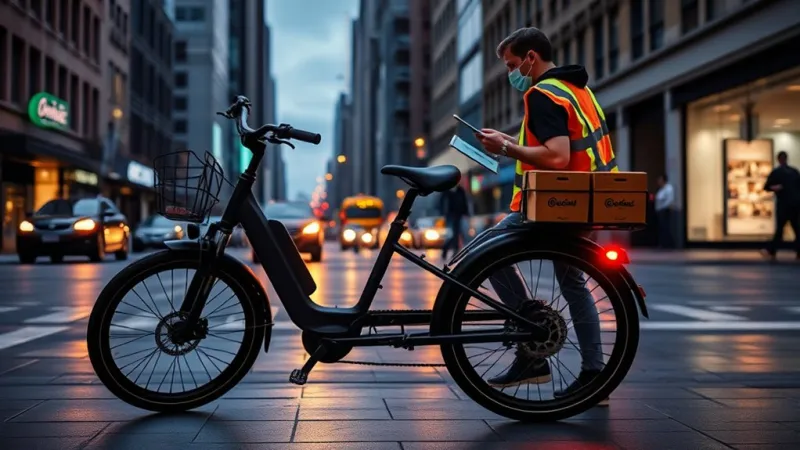
When Did Two-Day Delivery Become the Minimum Bar? Inside Britain's Speed-as-Brand Race
Photo: Sicnag, CC BY 2.0, via Wikimedia Commons
There was a time, not long ago, when 'arrives in 3–5 working days' was a perfectly respectable thing to print on a checkout page. Nobody blinked. You ordered a kettle on Tuesday, forgot about it, and it turned up before the weekend like a polite houseguest.
Now? Try putting that on your homepage and watch your bounce rate climb. Somewhere in the last few years, speed stopped being a logistics detail and became a personality trait. Retailers don't just ship fast — they are fast. It's stitched into the brand the same way a logo or a jingle used to be.
The High Street Giants Made Speed a Promise
Start with the obvious suspects. John Lewis built its reputation on trust and service, and delivery has quietly become part of that pitch — precise two-hour slots, text updates, drivers who ring ahead. It's not just convenience; it's an extension of the 'never knowingly undersold' ethos. The message is: we're careful with your time, not just your money.
At the other end of the spectrum, the fast-fashion upstarts — the Boohoos and SHEINs of this world — treat speed as the entire business model. Order at 9pm, wear it by the weekend. Their whole brand is urgency. The clothes are cheap, the trends are disposable, but the delivery is the bit that feels premium. It's a strange inversion: budget fashion with a concierge-level courier experience.
And once the giants set the pace, everyone else is judged against it. Which is where the trouble starts.
Tracked to Your Door: Table Stakes or Trump Card?
Here's the question every UK retailer is quietly asking themselves: is tracking now just hygiene, like having a working website?
Honestly? Mostly yes. If a shopper orders something and can't see where it is, the assumption isn't 'oh, old-fashioned brand' — it's 'scam'. Real-time tracking, SMS updates, a photo of the parcel on the doorstep: none of that earns you credit anymore. It merely prevents you losing it.
But — and this is the interesting bit — transparency still differentiates, even when tracking doesn't. There's a difference between a tracking page that says 'in transit' for 36 hours and one that tells you exactly which depot your parcel is sitting in and why. Shoppers have learned to read the gaps. The retailers who are honest about a delay ('your parcel missed the Midlands hub, here's what happens next') keep customers. The ones who go quiet lose them, even if the parcel arrives on time in the end.
So speed itself? Table stakes. Honest, granular communication? Still a genuine edge.
What Can a Small Retailer Actually Compete On?
If you're running a Shopify store out of a unit in Sheffield, you can't out-Amazon Amazon. So don't try.
What smaller sellers can do, and do well:
- Be honest about timing. 'Dispatched same day if you order before 2pm' beats a vague 'fast delivery' every time.
- Pick one promise and keep it. A reliable 48-hour tracked service you hit 99% of the time beats a next-day option you miss on Fridays.
- Use the personal angle. A note in the box, a real email address, a human who answers when something goes wrong. Big brands can't fake that, and shoppers know it.
- Lean on good carriers, not your own fleet. The UK's courier landscape means a small seller can offer next-day tracked delivery without owning a single van.
The race isn't really about who's fastest anymore. It's about who's most predictable — and predictability is a brand identity any size of business can build.
Where Expectations Go Next
The uncomfortable truth is that shopper expectations only move one way. Same-day delivery in London and Manchester is becoming normal for groceries and essentials. Hourly delivery windows are creeping in. The two-day bar will keep dropping.
But there are signs of a counter-current, too. Click and collect is thriving. Parcel lockers are popping up outside every Co-op and corner shop. Plenty of shoppers will happily wait three days for something they don't need urgently — they just want to be told the truth about when it's coming.
Which might be the real lesson in all of this. The arms race for speed is expensive, and only a handful of players can win it. The race for trust is wide open — and that's one where the little guys, armed with honesty and a decent courier, can absolutely hold their own.
Ship fast where it matters. Communicate always. And never, ever let your tracking page go quiet.