Eight Minutes to Your Door: What Ultra-Fast Delivery Is Doing to Britain (and What It'll Cost Us)
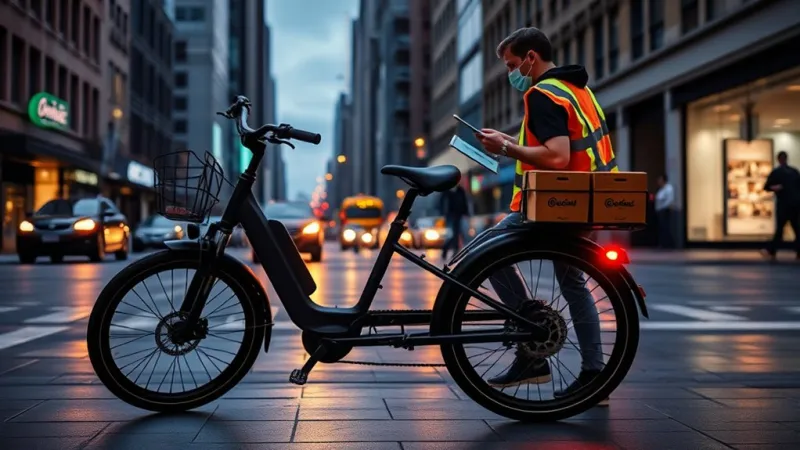
Photo: delivery courier e-bike city street night urban, via flatironbike.com
There's something faintly absurd about ordering a single avocado and having it at your flat faster than the kettle boils. And yet, in London, Manchester, Birmingham and a growing list of UK cities, that's now Tuesday night behaviour.
Ultra-fast grocery delivery — the eight-to-fifteen-minute variety — has quietly rewritten the rules of British convenience retail. But how does it actually work, and who's really paying for the speed?
Inside the Dark Store
The engine room of rapid delivery isn't a supermarket — it's the 'dark store': a small, windowless unit no bigger than a corner shop, packed with the 2,000 or so products people most urgently want. Think milk, paracetamol, bin bags, emergency birthday candles.
These micro-hubs are deliberately planted in dense residential areas. No shopfront, no browsing, no queuing. Riders loiter outside, pickers dash down narrow aisles with handheld scanners, and an order that takes a supermarket an hour to fulfil here takes about four minutes.
The economics are brutal. Rent per square foot in zone-one London makes these some of the priciest retail spaces in the country — all to store baked beans. That's why several of the original rapid players have already folded, merged or retreated to fewer cities. The boom produced casualties; the survivors are the ones who figured out that speed alone doesn't pay the rent.
The Rider's Side of the Clock
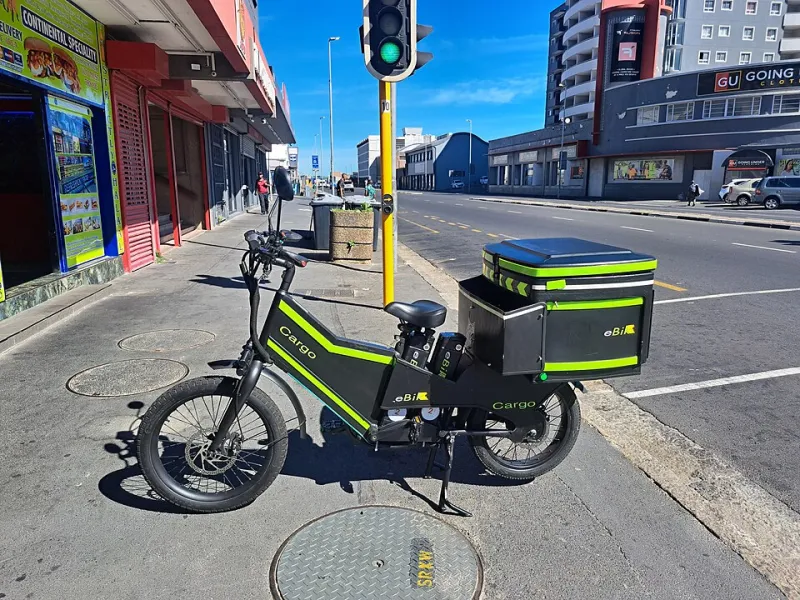
Every eight-minute promise is underwritten by a human on an e-bike. Riders are typically paid per drop, which means the stopwatch isn't just a marketing gimmick — it's their wage packet.
The gig-economy model has drawn well-earned criticism: unpredictable earnings, no sick pay, and pressure to move quickly through rain, traffic and winter dark. Some platforms have responded with hourly guarantees and better gear; others have simply adjusted delivery windows to a more humane fifteen minutes when the weather turns.
It's worth remembering, next time your loo roll arrives in nine minutes, that somebody's evening was structured entirely around that deadline.
Convenience Has a Price Tag
Here's the uncomfortable maths. Delivery fees, service charges, markups on goods and the odd 'small basket fee' can turn a £12 basket into £20. For a one-off emergency, fine. As a lifestyle? It adds up faster than most of us admit.
There's also the suburban problem. Rapid delivery thrives in dense cities where a rider can serve fifty customers within a mile. In a Cotswolds village, the nearest dark store would be a forty-minute round trip — which rather defeats the point.
What 'Fast' Means by 2030
Our bet? The novelty of eight minutes will fade, and 'fast' will get redefined as reliable and precise. The real winners in UK logistics are converging on a different promise: not the quickest delivery, but the one that arrives exactly when you were told it would — tracked, priced fairly, and without a human being run ragged to achieve it.
Same-day and scheduled two-hour windows are already the sweet spot for most shoppers: fast enough to feel magical, sane enough to sustain. The eight-minute race will survive in city centres as a niche, but the future of British delivery looks less like a sprint and more like a very well-run relay.
And honestly? We can live with a kettle that boils before the avocado arrives.