Lease, Van, Route: A Day With Britain's Self-Employed Delivery Drivers

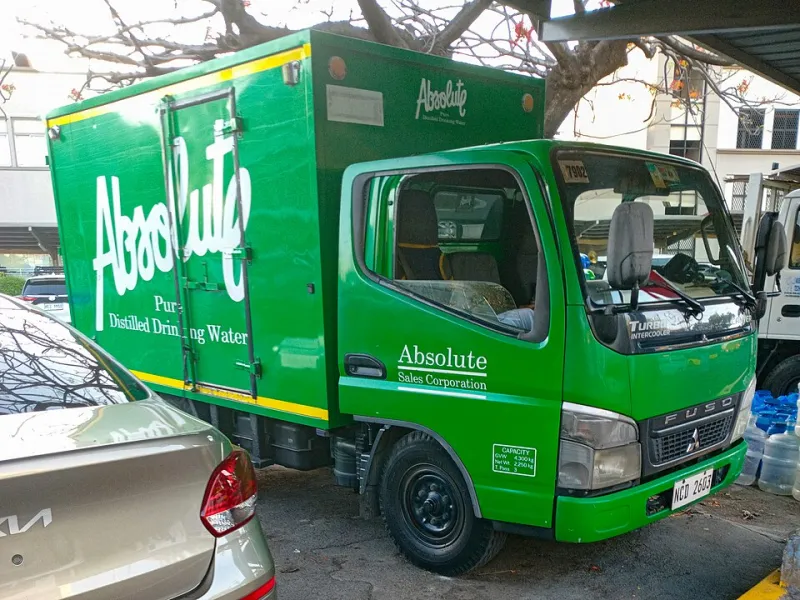
Photo: FBenjr123, CC BY-SA 4.0, via Wikimedia Commons
At 6:40am on a grey Tuesday in Luton, a Transit van reverses up to a depot roller shutter. Inside, Dave — not his real name, for reasons that'll become obvious — is scanning his first 140 parcels of the day. He doesn't work for the courier company on the side of his van. He works for himself, having won this route on a gig platform the night before.
Dave is one of thousands of micro-couriers now powering Britain's last mile: self-employed drivers who lease a van, carry their own insurance, and get paid per drop. If your parcel arrived on time this week, odds are someone like Dave made it happen.
The Economics of the Round
The model is straightforward, if unforgiving. Drivers typically pay a per-drop rate — figures commonly discussed in driver forums range from around 60p to £1.20 per parcel depending on the carrier, region and contract — plus fuel, van lease (often £250–£450 a month), insurance and maintenance.
A good urban round of 130–160 drops can be genuinely profitable. A rural route with long gaps between doors, or a January day when half your customers are out, can eat the margin alive. Add congestion charges in London or low-emission zone fees, and route selection becomes as important as driving skill.
'People see the van and think big company,' Dave says, pulling away with a full load. 'They don't see the HP agreement on the front seat.'
The WhatsApp Group Nobody Expected
Here's what the gig economy sceptics didn't predict: community. Drivers on the same rounds have built tight-knit WhatsApp groups where they swap intel — which gateways have dogs, which customers are safe to leave with, which streets eat vans whole.
These groups do everything from flagging blocked roads to covering each other's rounds during illness. When a driver's van broke down in Birmingham last winter, his group reorganised his entire route between them in under an hour. That's not in any platform's service agreement. That's just blokes in vans looking out for each other.
It matters to you, the shopper, more than you'd think. A driver who knows the area — knows the awkward parking, the hidden flat numbers, the nan who's always in — delivers faster and loses fewer parcels than a sat-nav stranger.
What It Means for Your Delivery
The micro-courier model is why next-day delivery is now standard rather than premium. Self-employed capacity flexes with demand: Black Friday spikes get covered because more drivers can bid for more rounds.
But it also explains the wobbles. When a driver is paid per drop, your 'attempted delivery' photo might come with less patience than you'd like. And when drivers burn out or leave, routes get rejigged — which is why your delivery window sometimes shifts at 11am.
The next time a van pulls up and a driver sprints to your door with both hands full, spare a thought for the economics behind that sprint. Your £3.99 delivery fee is being split a lot of ways before it reaches the person holding your parcel.
And if you're feeling generous this festive season? Dave says a cheery wave and a clear pathway beat a mince pie. Though the mince pie doesn't hurt.