The Pub at the End of the Delivery Chain: Why Britain's Collect Points Are Winning
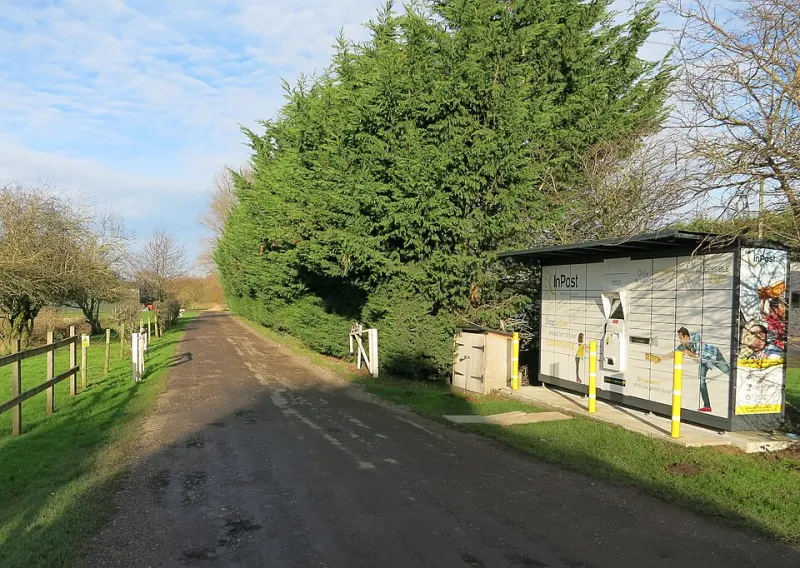
Photo: Hugh Venables , CC BY-SA 2.0, via Wikimedia Commons
Here's a confession from the logistics world: the most reliable 'delivery address' in Britain might not be your house at all. It's the corner shop on the high street, the pub that doubles as a parcel hub, the bank of lockers outside the Tesco Metro. If you've ever collected a package from behind a newsagent's counter between buying a pint of milk and a lottery ticket, congratulations — you've used what is quietly becoming the backbone of UK delivery.
The Doorstep Problem
Home delivery has a dirty secret: it's the hardest part of the whole journey. A van driver in central Manchester might have 140 stops in a day. If you're not in, if your buzzer doesn't work, if your house number is hidden behind a hedge, that stop becomes a failed delivery. And failed deliveries aren't just annoying — they're expensive, carbon-heavy, and they push your parcel into the limbo of redelivery attempts and depot collections.
Collect points solve nearly all of that in one stroke. The parcel goes to somewhere that's open, staffed, and expecting it. No red cards, no 'sorry we missed you' notes fluttering out of the letterbox, no trekking to an industrial estate depot at 6pm on a Wednesday.
From Pint to Parcel
What makes the British version of this story charming is where it's happening. Unlike the American model of vast pickup stores, our collect network grew out of existing infrastructure: the post office counter, the off-licence, the village pub. Landlords realised that a stream of parcel pickups meant a stream of footfall — and footfall buys pints, crisps and scratch cards. One publican in Leeds told a local paper that parcel collection had become 'the new Sunday roast' for bringing people through the door.
For the shops themselves, it's a lifeline. Handling fees per parcel are modest, but they add up, and more importantly, they give people a reason to walk past the shelf instead of ordering everything from a warehouse in Milton Keynes. There's something quietly fitting about the corner shop — written off so many times — finding a second act as the last mile's favourite destination.
The Shopper's Side of the Bargain
Is it an imposition? Honestly, mostly no. Collection points are often open later than any redelivery slot, they're usually closer than the depot, and tracked collection means you know exactly when your parcel's waiting. For flat-dwellers without a safe porch, for shift workers, for anyone who's had a parcel photographed 'delivered' to a bin — the collect point is a mercy.
The friction points are real, though. Queues behind someone returning three jumpers. The awkwardness of a pub landlord hunting for your parcel while pulling a pint. And a minority of shops treat parcels as an afterthought, leaving them stacked in a stockroom that smells faintly of the chip shop. The experience is only as good as the individual retailer, and that inconsistency is the sector's biggest challenge.
What Happens to the Doorstep?
Here's my opinion, for what it's worth: 'delivery to your door' isn't dying, but it's becoming a premium option rather than the default. The future looks layered — lockers for the time-poor, home delivery for the bulky and the urgent, collect points for everything in between. That's not a downgrade. It's a system that finally matches how British life actually works, with all its missing-you-at-the-door chaos.
And for the high street? Every parcel collected is a person walking into a local shop who otherwise wouldn't have. In an era when we mourn independent retail weekly, that's not a compromise. That might be the smartest thing logistics has done for communities in years.
Next time you're choosing a delivery option at checkout, give the collect point a second look. Your parcel, your pub, and your high street might all be better for it.