The Thud You Hear From the Window: What Really Determines How Your Parcel Lands
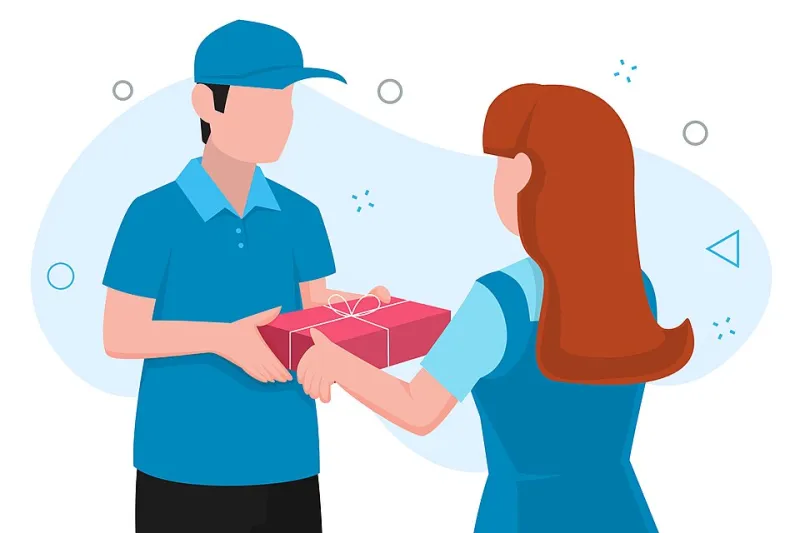
Photo: Meanwell Packaging, CC BY 2.0, via Wikimedia Commons
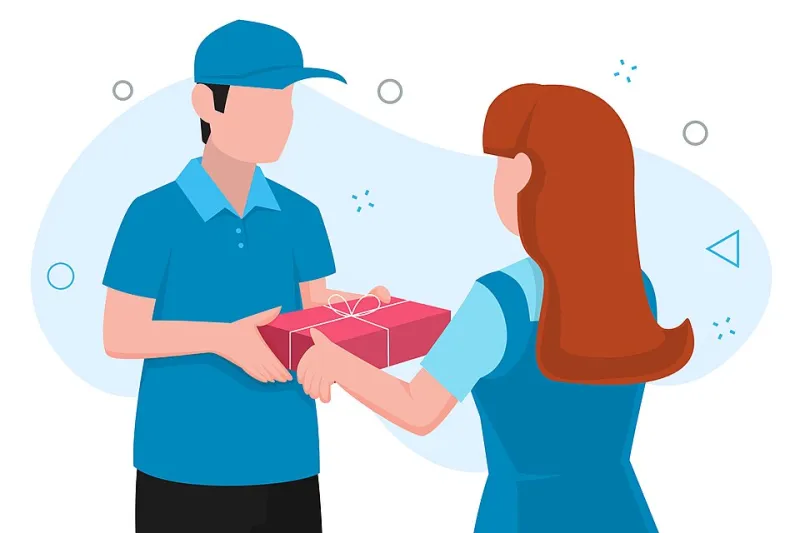
You know the moment. The van hisses to a stop outside number 23, the driver hops out with your parcel tucked under one arm, and from the upstairs window you watch the entire final act of a journey that may have started in a warehouse at 4am. Will it be placed gently on the doormat side? Or will it be tossed from a metre away like last night's pizza box?
It turns out that the 'drop' — that two-second handover between courier and doorstep — is one of the most studied, most engineered and most argued-about moments in British logistics. And whether your new ceramic mug survives it has less to do with luck than you'd think.
Sixty Seconds Per Stop Changes Everything
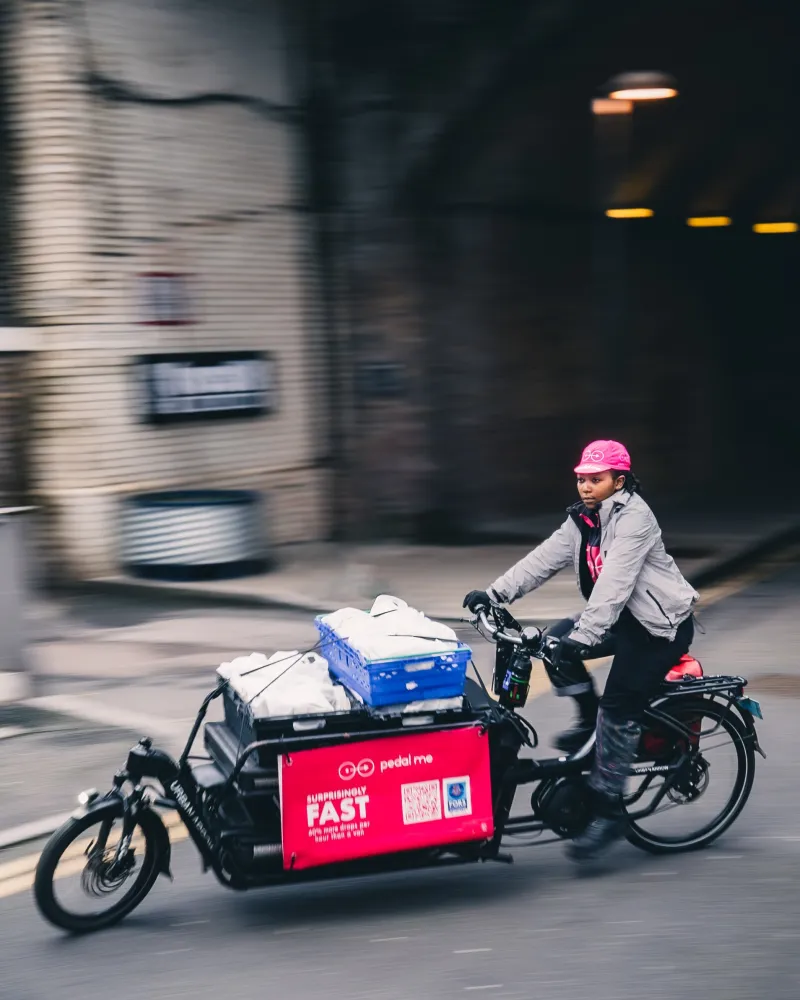
Talk to anyone who's done a delivery round and the same number keeps surfacing: time. A typical urban round might involve 120 to 180 drops in a shift, and industry targets often work out to less than a minute per address once you factor in parking, walking and photographing the delivery.
"Nobody sets out to throw parcels," one former courier from a big-name network told us. "But when you've got a stop window of 45 seconds and the next street is already ringing, you start doing things one-handed. The lob isn't malice — it's arithmetic."
Route density matters too. A tightly packed terrace street lets drivers park once and walk several deliveries, which means more time per parcel. A rural route across the Yorkshire Dales might involve two minutes of driving between each drop, and the pressure to claw that time back at the door is real.
The Packaging Was Designed to Be Dropped
Here's the bit that surprises most shoppers: packaging engineers assume your parcel will be thrown. It's built into the design brief.
Standard UK testing includes something called a drop test — boxes are tumbled from set heights, often 80cm to a metre, onto corners and edges, to simulate the worst of handling. Corrugated cardboard grades, corner reinforcements and void fill are all specified against that expectation.
"If a box can't survive a metre drop onto a corner, it's not ready for the network," explains a packaging designer who works with several mid-sized UK retailers. "The fluting in corrugated card is basically a suspension system. It's doing the same job as your car's shock absorbers."
That's why a well-packed box from a decent retailer can take a tumble and shrug it off — and why the flimsy polybag your t-shirt arrives in needs no such protection in the first place.
When the Drop Gets Expensive
Insurers see the aftermath. Damage claims for fragile goods — glassware, electronics, ceramics — are a quiet but persistent drain on retailers, and the paperwork trail usually ends at the doorstep.
What assessors look for is surprisingly specific: was the item packed to survive normal handling? Was the outer box marked appropriately? Was there evidence of impact? A parcel that arrives crushed with no fragile markings and three millimetres of padding is a very different claim from one that was boxed like a museum piece and still cracked.
For shoppers, this matters at the returns stage. Retailers can and do reject damage claims if the packaging itself was inadequate — so the box your item arrives in is part of your evidence.
How to Spot Drop-Proof Packaging Before You Buy
You can't control the driver, but you can shop in a way that stacks the odds. A few tells to look for:
- Double-walled boxes. Product pages and reviews sometimes mention it; it roughly doubles crush resistance.
- Fragile-flagged listings. Retailers who properly declare glass and ceramics usually pack them properly too.
- Reviews that mention "arrived perfect". Boring phrase, useful signal — especially on marketplaces.
- Retailer-owned packaging vs. generic. Brands that invest in custom inserts have usually drop-tested them.
- Size honesty. A heavy item rattling in an oversized box with no fill is a red flag before it's even left the depot.
And if you're the one opening the door? A polite word with a regular driver goes further than you'd think. Rounds get to know the houses that care — and the ones with a friendly note by the bell asking for fragile items to be left on the side tend to get exactly that.
The Drop Isn't Going Anywhere
With next-day delivery now the default expectation rather than the premium option, the time pressure at the doorstep is only tightening. But the counterweight is improving too: better materials, smarter box design and networks that increasingly film and audit their handling.
So next time you hear the thud from behind the curtain, take a breath before you open the door. There's a decent chance that box was engineered for exactly that moment — and won.