Biscuits by the Bin Store: How Britain Fell in Love With Its Delivery Drivers
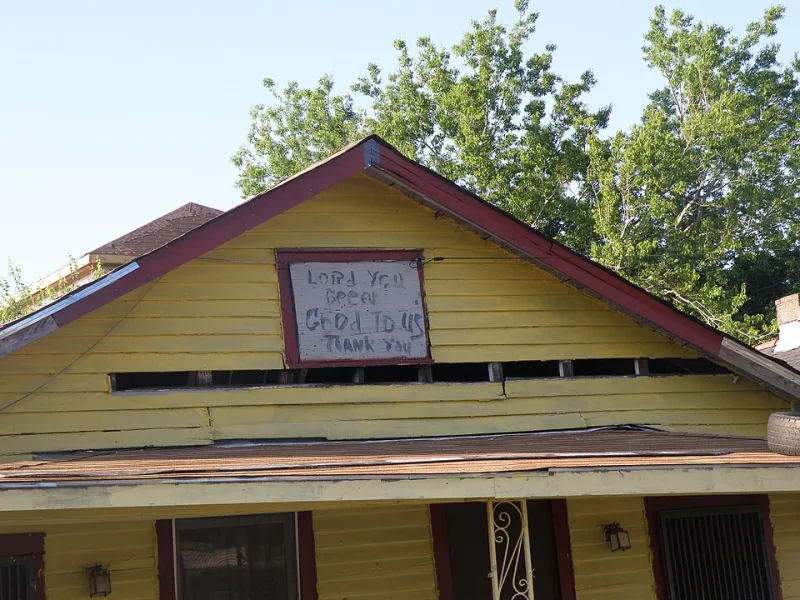
Photo: Karen Apricot, CC BY-SA 2.0, via Wikimedia Commons
There's a box taped to the side of a wheelie bin on a terraced street in Salford. Handwritten on the lid, in the sort of careful joined-up writing you don't see much anymore: For our lovely delivery drivers — please take a treat!
Inside, there are usually KitKats. Sometimes a multipack of crisps. Once, someone left a flask of tea with paper cups, which — given January in Salford — may be the single kindest thing a British person has ever done for a stranger.
If you've noticed more of these little doorstep shrines popping up on your street lately, you're not imagining it. Britain is in the middle of a quiet, very polite revolution: we're saying thank you to our couriers, and we're doing it in writing.
From Anonymous to Appreciated
For most of the e-commerce era, the relationship between shopper and driver has been, well, non-existent. You click, they carry, a card goes through the letterbox. But a few things have shifted at once.
The pandemic got everyone used to clapping for key workers, and drivers were firmly on that list. The explosion of home deliveries since means the same faces now appear on the same streets week after week — you get to know your regular. And social media has done what social media does: turned small acts into templates. A photo of a note box on a Facebook community group gets shared, copied, and before long there are three more on neighbouring roads.
WhatsApp groups have joined in too. It's not unusual now to see a message in the local neighbourhood chat along the lines of: "Whoever left the thank-you card for the Evri driver — he said it made his whole week. Lovely touch."
What Drivers Actually Say
We asked a handful of drivers what lands best — the biscuits, the notes, or something else entirely.
The answer, almost universally, was the notes.
"Chocs get eaten in the van by lunchtime," one driver covering a route in Leeds told us, laughing. "But a card that says 'thanks for always putting our parcels somewhere safe' — I've kept them. I've got a little collection at home. You do 140 stops a day and most of them don't see you as a person. The ones that do, you remember."
Another driver, who covers a rural route in Somerset, said the gestures that mean most are the practical ones. "A bowl of water out for the dog on a hot day. Somewhere dry to leave a parcel when it's hammering down. That's someone thinking about your actual job, not just being nice for the sake of it."
There's a practical edge to all this goodwill, too. Drivers we spoke to were candid: on streets where they're known and welcomed, they'll take that extra moment — the safe place, the neighbour who can sign, the heads-up if something looks off with a package. Goodwill, it turns out, is a two-way delivery service.
The Rise of the Doorstep Protocol
Spend any time on UK community forums and you'll spot the pattern. People sharing photos of their note boxes. Threads debating the best driver-friendly biscuits (Hobnobs divide opinion; anything with chocolate does not). Even small sellers getting in on it, slipping handwritten thank-you cards into their parcels — which customers then photograph and post, completing a rather lovely circle of appreciation.
Some households have gone full system: a designated shelf by the front door, a whiteboard for delivery instructions, a stock of dog chews for the four-legged gatekeepers who greet the van. It's doorstep etiquette as a household institution — the new milk-float familiarity, but with more cardboard.
And it's not purely sentimental. Anyone who's had a parcel vanish knows how much easier life gets when the driver knows your house, your safe spot, your slightly menacing porch camera. A little friendliness buys a lot of reliability.
How to Join In (Without Overdoing It)
If you fancy thanking the person who lugs your online habit up your path, drivers had a few tips:
- A note beats a nibble. Kind words last longer than a KitKat, and plenty of drivers can't eat on the job anyway.
- Make it weatherproof. A laminated sign or a sealed tub survives a British February. A Post-it on the door does not.
- Say their name if you know it. It transforms a transaction into a relationship.
- The best gesture is an easy delivery. Clear instructions, a safe spot, a friendly wave. That's the thank-you they feel every single day.
None of this fixes pay disputes, missed slots or the eternal mystery of the "we attempted delivery" card that appears when nobody knocked. But it does something else. It turns one of the most anonymous relationships in modern British life — you, a screen, a stranger with a scanner — into something a bit more human.
And if a handwritten card and a pack of chocolate biscuits can do that, we'd say that's a round worth raising. Preferably left by the bin store, with a note attached.