Twenty Kilos and a Pair of Good Boots: The Walking Posties Who Refuse to Retire the Mailbag
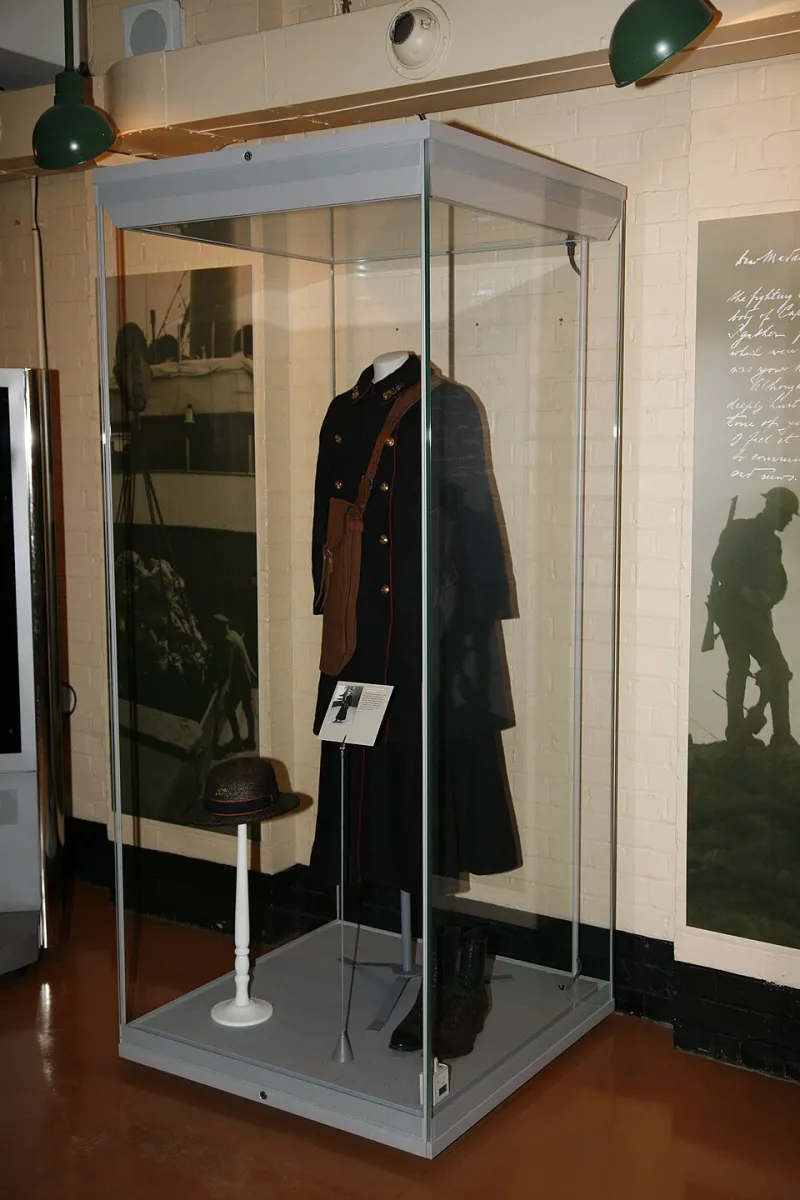
Photo: British Postal Museum & Archive from London, UK, CC BY-SA 2.0, via Wikimedia Commons
There's a moment on most UK streets, sometime between nine and eleven in the morning, when you might spot them: a figure in a high-vis jacket, shoulder hunched under a canvas bag, moving at a pace that no van could ever match door-to-door. The walking postie. No engine, no reversing beeps, no parking tickets. Just boots, a bag that can weigh as much as a small child, and an intimate knowledge of exactly which buzzer actually works in a block of twelve flats.
While the logistics industry pours billions into electric fleets, route-optimising algorithms and same-day promises, a huge slice of British delivery still runs on legs. And contrary to what you might assume, it's not hanging on out of nostalgia. In many places, it's simply the fastest and cheapest way to get a parcel or a letter to your door.
The Estate Round: Flats, Buzzers and Muscle Memory
Take a typical walk-up estate in east London. Fourteen storeys, three stairwells, lifts that work when they feel like it. A van driver can spend twenty minutes hunting for a legal parking spot before delivering a single item. A postal worker on foot parks once — or never — and covers the whole tower plus the terraced streets either side before lunch.
The round itself is a masterclass in efficiency that no software has fully replicated. Experienced posties sort their bag in delivery order before they set off, a process called 'walking the sequence', and carry it all in one load that regularly tips 16 to 20 kilograms. Letters first, parcels wedged where they won't shift. Every stairwell, every gate code, every dog with opinions — it's all stored somewhere between the head and the shoulders.
And there's the rub. The bag is heavy, the pavements are relentless, and the job takes a physical toll that van drivers simply don't face in the same way. Postal workers' unions have long campaigned around round weight and foot-route lengths, and it's a genuine occupational health issue. The walking round is brilliant for emissions and brilliant for the doorstep; it's brutal on knees.
The Cumbrian Counterpoint: Miles of Nothing, One Bag
You'd assume walking rounds are an urban thing — dense streets, short distances. But head to Cumbria and you'll find postal workers covering village-after-village rounds on foot, walking several miles between scattered farms and cottages, weather permitting or otherwise.
A rural walking round looks nothing like its city cousin. There might be only a few hundred delivery points spread across a valley, which means the cost per drop is enormous by any commercial standard. No private courier turns a profit there. Yet the round survives because it's the connective tissue of these communities — the postie who knows which elderly resident needs a knock rather than a card through the door, and which lane floods after two days of rain.
That's resilience you can't buy. When snow closes a fell road or a storm takes out a minor route, a walker can often still get through, or at least get close. The van turns around; the boots keep going.
Why the Mailbag Might Be a Sustainability Winner
Here's the uncomfortable maths for the delivery industry: the greenest mile is the one powered by porridge. A foot round produces essentially zero emissions at the point of delivery, causes no congestion, and generates no parking chaos. As councils roll out low-traffic neighbourhoods, school-street closures and clean air zones, the walking postie sails through restrictions that increasingly snarl up vans.
For online shoppers, this matters more than you'd think. Every parcel you order ends its journey on a doorstep, and the final stretch — the last mile — is the most expensive and most polluting part of the whole chain. Where retailers and postal services can consolidate volume onto walking rounds in dense areas, they're quietly solving the problem the rest of the industry is spending fortunes on.
Some operators are catching on. Micro-depots — small urban hubs where goods are transferred from vans to walkers and cargo bikes for the final stretch — are popping up in cities across the UK. It's essentially the postal round, reinvented and rebranded for the e-commerce era.
What It Means for Your Online Orders
For shoppers, the practical upshot is this: in many towns and cities, your standard tracked delivery might well be completed on foot, and that's often good news. Walking rounds tend to be consistent — the same person, the same route, the same safe place if you're out. That local knowledge is why your parcel ends up behind the recycling bin rather than on display.
It also explains some timing quirks. Foot rounds start early and finish when the bag is empty, so a 'delivered' notification at 9:40am or a quiet afternoon window isn't a glitch — it's the shape of the route.
The van isn't going anywhere. Parcels are bulkier than ever, and the sunset-race evening delivery slots we've all grown used to need wheels. But the walking round deserves more credit than it gets: low-cost, low-carbon, storm-proof and personally accountable. In a logistics industry obsessed with the next big thing, the most resilient delivery technology in Britain might still be twenty kilos of canvas and a very good pair of boots.