Behind the Flap: Why Your Front Door Was Never Meant for a Jumbo Box
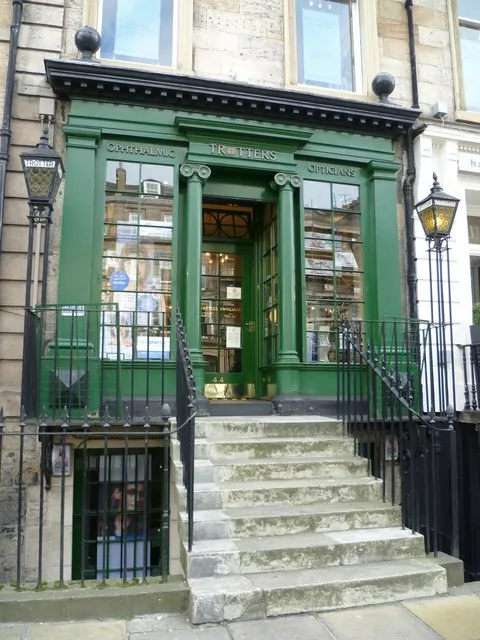
Photo: kim traynor , CC BY-SA 2.0, via Wikimedia Commons
Stand on any British street and look down. At roughly waist height on millions of front doors sits a brass slot that has outlived the Empire, two world wars and the fax machine. The letterbox was a Victorian masterstroke — a way to deliver post without disturbing the household, no knocking required. What it was never designed for was your 4kg bag of discount protein powder or a flat-packed bookshelf the size of a small radiator.
And yet, every day, the humble flap is asked to cope with a parcel landscape it was never built to serve.
A Slot Built for Envelopes, Not Electronics
When the letterbox became standard on British homes in the mid-1800s, the average item of post was, well, a letter. Royal Mail's own guidance still recommends a minimum aperture of around 176mm by 25mm — generous enough for a rolled-up magazine, laughably inadequate for anything with a battery inside.
Compare that with the modern parcel. Industry figures suggest the average online order box has ballooned over the past fifteen years, driven by everything from air-filled packaging to the simple fact that we now buy sofas, scooters and air fryers with the same casual tap we once reserved for socks. The letterbox, frozen in architectural amber, hasn't moved an inch.
The result is a quiet standoff played out on doorsteps nationwide: the courier, the box, and a flap that simply says no.
The Housing Types That Fight Back
Not all British doors are equally hostile to delivery. Spend enough time tracking parcels and you develop a mental hierarchy of difficulty:
The Victorian terrace. Front door straight onto the pavement, letterbox present and correct. Great for post, terrible for privacy — but at least there's usually a hallway behind that flap, so a slim box can slide through. Anything rigid, though, is a coin toss.
The 1930s semi. Often blessed with a porchette or recessed porch, which is either a blessing (shelter, out of sight) or a curse (a courier can't see if anyone's home, so the 'attempted delivery' card gets written from the doorstep). Many of these homes also sport secondary inner doors, halving the chances anything bulky makes it inside.
The postwar build. Practical, generous letterboxes, sometimes with a rear collecting shelf. Arguably the high-water mark of British door design for deliveries.
The modern new-build. Here's the twist: many contemporary front doors have no letterbox at all. Security-conscious, draught-proof, sleek — and completely reliant on someone being home. Architects chasing energy efficiency and burglary deterrence have effectively designed the courier out of the equation.
The flat with a buzzer. No flap, no porch, no safe spot. Just an intercom, a flight of stairs and hope.
When Regulation Meets Reality
There's an odd regulatory wrinkle here. Royal Mail's own rules state that where a letterbox exists, postal workers are generally expected to use it — no knock required for standard letters. That works beautifully for a birthday card. For a parcel, the same door forces a completely different interaction: ring, wait, sign, or walk away with a red slip.
Meanwhile, some listed buildings and conservation areas restrict even the appearance of door modifications, so homeowners can't easily retrofit an oversized slot or a parcel box without planning headaches. Add in the insurance implications of door-mounted parcel safes, and you can see why so many households simply opt for the 'leave with a neighbour' gambit and pray.
The Rise of the Undeliverable Home
Logistics insiders have a phrase that surfaces more often than you'd think: the undeliverable address. Not because the house doesn't exist, but because nothing over a certain size can realistically be left there. No flap, no porch, no communal space, nobody in during the day.
For those homes, the delivery network bends around them. Couriers attempt at the weekend. Retailers nudge you toward click-and-collect. Lockers and pick-up points — already booming on British high streets — quietly absorb the overflow. In a sense, the letterbox's failure is the collect point's business model.
What You Can Actually Do
A few practical moves if your door is fighting the modern parcel:
- Fit a rear-entry or through-wall letterbox if your home's style allows — parcels up to shoebox size slip through far more often.
- Nominate a safe place in advance with your regular retailers, so the default isn't a card through the (non-existent) door.
- Use a collect point or locker for anything bulky; it's often faster than chasing redelivery slots.
- Consider a standalone parcel box by the door — no door modification needed, and most are weatherproof enough for a British February.
The Flap's Quiet Legacy
There's something fitting about the fact that the letterbox — invented to spare the household a knock — now guarantees one. Every oversized parcel is a small surrender to the fact that Victorian engineering and modern consumption have finally diverged.
So the next time a courier rings twice and hands you a box the size of a microwave, spare a thought for the brass slot below it. It did its job for a hundred and fifty years. It's just that your shopping got bigger.