Why Paying for Delivery Might Be the Smarter Move at Checkout
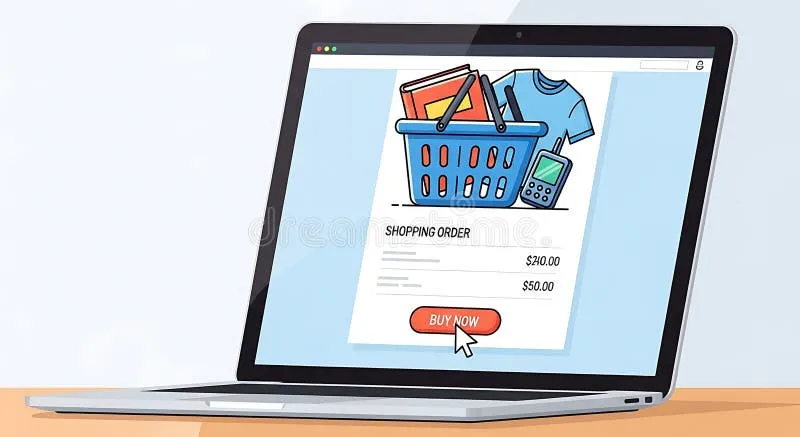
Photo: online shopping checkout basket laptop UK, via thumbs.dreamstime.com
There's a moment every UK online shopper knows well. You've got £23.50 of stuff in your basket, and up pops the banner: 'Spend £40 for free delivery!' Suddenly you're browsing candle holders you never knew you needed, doing mental arithmetic to justify an extra £16.50 of spending to avoid a £3.99 charge.
Here's the uncomfortable truth: you've just been played. And the maths says you probably lost money doing it.
The Threshold Trick, Explained
Free delivery thresholds are one of retail's most effective nudges. They work because the fee feels like a loss, and we're wired to avoid losses far more strongly than we value equivalent gains. Psychologists call it loss aversion; retailers call it Tuesday.
The trick is that the threshold is almost always set above the average basket size — often by a meaningful margin. If the typical shopper spends £25 and the free-shipping bar sits at £40, the retailer isn't subsidising delivery. They're engineering a £15 upsell on the majority of orders.
Research from the Baymard Institute has long suggested that unexpected delivery costs are the number one reason shoppers abandon carts. Thresholds solve that problem — for the retailer. You don't abandon the basket; you enlarge it.
Do the Actual Maths
Let's take a real-world style example. Say you need a pair of trainers at £34 from a mid-market UK retailer, with £4.49 standard delivery or free shipping over £50.
- Option A: Pay £4.49. Total: £38.49. You get exactly what you came for.
- Option B: Add a £17 t-shirt to unlock free delivery. Total: £51. You've spent £12.51 more than Option A — for an item you didn't plan to buy.
The 'free' delivery cost you £12.51. If that t-shirt was genuinely wanted anyway, fine — you've effectively saved £4.49. But if it was filler, you've been upsold with a discount-shaped bow on it.
The rule of thumb: free delivery is only free if you'd have bought the extra items anyway. Anything beyond that is just spending money to avoid spending money.
When Paying Is Almost Always Cheaper
A few scenarios where the paid delivery option wins outright:
- You're under 20% of the threshold. The further you are from free shipping, the more filler you need. If the gap is more than the delivery fee plus a tenner, walk away.
- You're buying consumables or sale items. Adding full-price filler to a discounted basket often wipes out the savings entirely.
- You shop with this retailer often. A monthly delivery pass or loyalty scheme (more retailers are offering these) usually beats one-off basket padding.
- The item is time-sensitive. Faffing about adding filler delays your checkout — and sometimes your dispatch.
A One-Line Decision Rule
Next time that banner appears, ask yourself one question: would I buy the filler items if delivery were already free?
Yes? Add them — you're getting a genuine discount on your real basket.
No? Pay the £3.99, close the tab, and enjoy the smug glow of having beaten one of e-commerce's oldest tricks. That £3.99 isn't a cost. It's a receipt proving you did the maths.