Click, Collect or Courier? What Every UK Delivery Option Actually Costs You
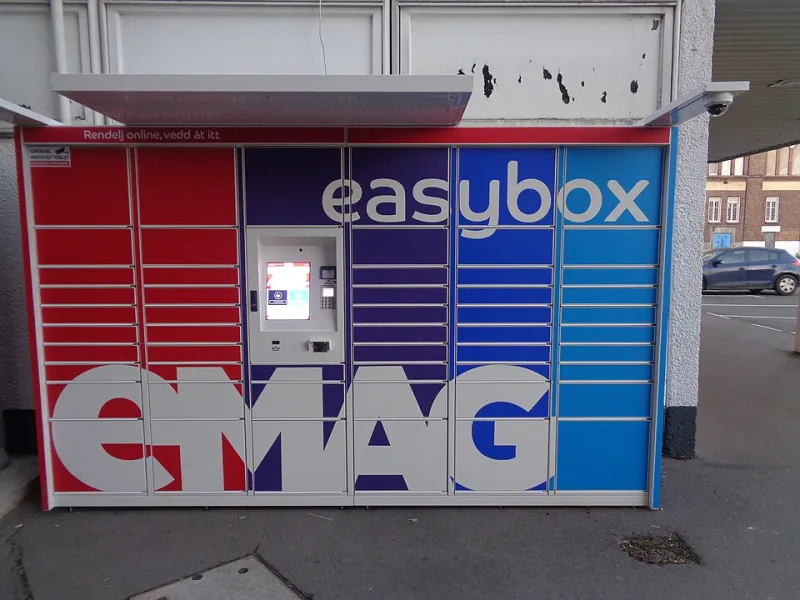
Photo: Sir Morosus, CC BY-SA 4.0, via Wikimedia Commons
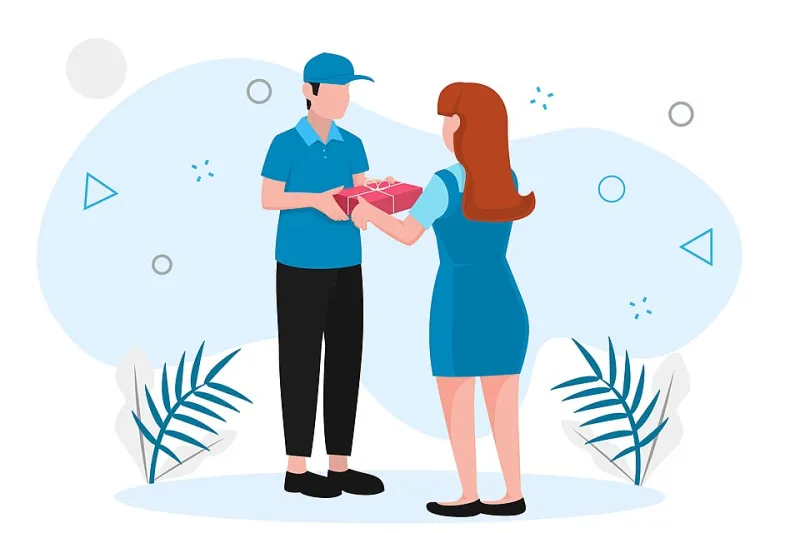
Every checkout page in Britain asks you the same question: how would you like this delivered? And every option comes with a price tag that's either suspiciously free or suspiciously expensive. Free click-and-collect! £5.99 next-day! Lockers for a quid!
But 'free' is doing a lot of heavy lifting there. Let's pull apart what each option really costs — in pounds, in time, and in hassle — and work out which one actually suits the way you live.
Click-and-Collect: Free, Unless You Count Your Lunch Break
The pitch is simple: we'll hold your parcel at a local shop, you collect it whenever suits. No redelivery cards, no neighbour diplomacy, no parcel left in the 'safe place' (your bin).
The catch? Your time. If the collection point is a five-minute detour, brilliant. If it's across town and you have to go during your lunch break, you've just spent an hour and possibly £3 on a meal deal to save a £3.99 delivery fee. That's not saving — that's a sideways move.
There's also the waiting game. Many retailers only release items to collection points once the courier has delivered them to the store, so 'free' click-and-collect is frequently slower than standard delivery. Need something by the weekend? Check the collection availability date, not the order date.
Best for: people who live or work near a collection point and aren't in a hurry. Worst for: anyone who'd need a special trip. Your time has a value. Price it in.
Parcel Lockers: The Underrated Middle Ground
Lockers — the bank of metal boxes outside supermarkets and petrol stations — have quietly become one of the best-value options in the UK. Prices typically run £1 to £3, they're available 24/7, and there's no awkward small talk with a shopkeeper while they hunt for your parcel behind the counter.
The limitation is coverage. In cities, you're rarely more than ten minutes from a locker. In villages and suburbs? Good luck. There's also a size cap — that flat-pack bookcase isn't going in a locker, no matter how optimistically you squint.
One genuine money-saving trick: some couriers charge less for locker delivery than home delivery because it's cheaper for them to run. That discount gets passed on at lots of checkouts — if you spot it, take it.
Best for: urban and suburban shoppers with a locker nearby and flexible timing. Worst for: bulky items and anyone without transport to reach one.
Standard Home Delivery: The Default, and the Default Trap
Standard home delivery — usually £3 to £5, or 'free' over a spending threshold — is the option most of us pick by reflex. It's fine. It works. But it's also where the hidden costs lurk.
First, the threshold game. 'Free delivery over £40' is a nudge to spend more. If your basket sits at £34, ask yourself: would you have spent £6 more in-store? If not, you've been upsold by maths.
Second, the missed delivery tax. Nobody's home between 9 and 5? Congratulations, you're now in a relationship with the redelivery system. Each failed attempt adds days, and some couriers charge for premium redelivery slots — you're effectively paying twice for one parcel.
Third, the safe-place gamble. Left in the porch, behind the wheelie bin, 'handed to resident' (a cat). Standard delivery is the only option where the final 50 metres is entirely out of your hands.
Best for: households with someone home during the day, or deliveries you don't mind waiting for. Worst for: flats with no secure porch and offices with strict post policies.
Premium Tracked: Worth It or Marketing Upsell?
Next-day, named-day, two-hour window — premium services typically cost £5 to £10, and retailers push them hard at checkout with countdown timers and bold badges.
Sometimes they're worth every penny. A birthday gift arriving on the actual birthday? A named-day slot so you can arrange to be in? Genuinely useful, and the tracking is usually better, with tighter delivery windows and photo proof.
But here's our honest opinion: for most everyday shopping, premium delivery is a marketing upsell dressed as a service. You're paying £6 to save a day on a pair of socks you'll wear next month. If the standard option is tracked (most are now — check for the tracking number in your dispatch email), the premium fee is buying you speed, not visibility. Know the difference before you click.
Best for: time-critical gifts, last-minute purchases, and anyone who genuinely needs to be home. Worst for: everyday baskets where a day's wait costs you nothing.
The Verdict: Ranked by Shopper Type
Commuters: 1. Parcel lockers (collect on your way past, cheap as chips). 2. Click-and-collect at a station-adjacent shop. 3. Evening-slot premium delivery — but only if the courier actually offers evening slots, which many don't.
Rural residents: 1. Standard tracked home delivery — lockers and collection points are often too far to be worthwhile, so get the parcel to your door. 2. Premium named-day delivery when you need to be in. 3. Click-and-collect only if your local shop is a genuine collection point; a 20-minute drive to save £4 is a loss.
Gift-buyers: 1. Premium tracked, named-day delivery — the one scenario where the upsell is real. A birthday present arriving on time is worth £7; arriving late is worth nothing. 2. Standard delivery ordered a week early (the cheapest option of all: planning). 3. Click-and-collect, which lets you grab the gift at a time that suits and hand it over in person.
The bottom line? There's no universally cheapest option — only the cheapest option for your week. Do the maths once, know your own routine, and stop letting the checkout decide for you.