Free Shipping in 2025: The Maths Every UK Small Seller Should Run Before Saying Yes
Photo: Gage Skidmore from Surprise, AZ, United States of America, CC BY-SA 2.0, via Wikimedia Commons
There's a moment every UK small business owner knows well. You're tweaking your checkout, you glance at the big retailers, and there it is: 'Free UK Delivery' splashed across every banner. The temptation to match it is enormous. The reality, as anyone who's queued at a Post Office on a Saturday morning knows, is considerably more complicated.
The £3.99 Question
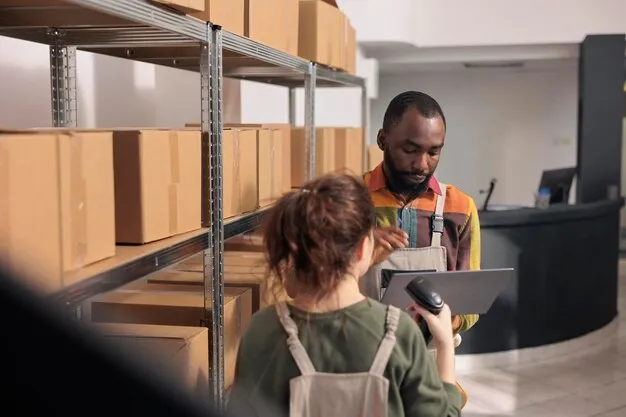
Let's start with the uncomfortable truth: free shipping is never free. Someone pays, and for an independent seller, that someone is you. A typical small parcel via Royal Mail or a courier might set you back £3–£5 once you factor in packaging. On a £25 order with a 50% gross margin, that's swallowing a quarter of your profit before you've paid for the kettle.
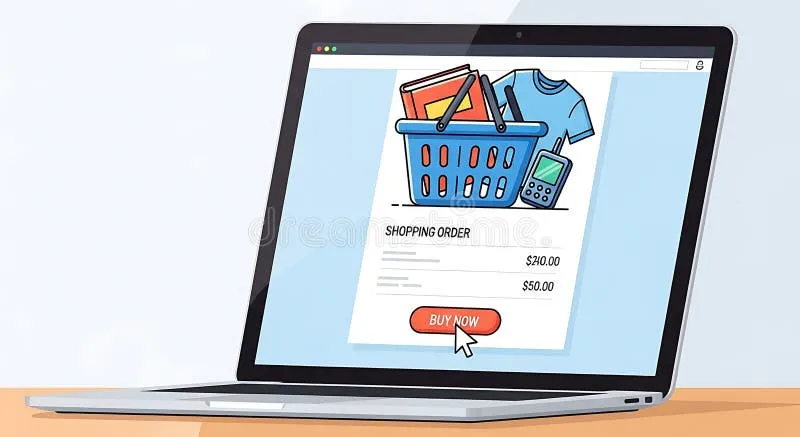
But here's where it gets interesting. The data — and plenty of UK independents' own experiences — suggests free delivery genuinely does move the needle on conversions. Baymard's long-running research has consistently found unexpected delivery costs as the top reason shoppers abandon carts. When you're up against marketplaces that have trained a generation of British shoppers to expect delivery 'included', eating the postage can look less like a loss and more like a marketing spend.
Three Ways to Slice It
Most UK sellers land on one of three models:
Postage-inclusive pricing. Build the delivery cost into your product prices and advertise free shipping across the board. Cleaner checkout, higher perceived value — but you risk looking expensive against competitors who list lower prices and add postage at the end.
Flat-rate shipping. One simple fee, say £3.95, regardless of order size. Predictable for you, predictable for them. It nudges basket sizes up because customers think 'may as well add more while I'm paying for delivery anyway'.
Threshold-based free delivery. 'Free over £40' is the sweet spot many independents have settled on. You're not subsidising every £8 order, but you're dangling a carrot that lifts average order values. If your margin maths says a customer spending £40 still nets you more than one spending £25 with free postage, the threshold pays for itself.
What UK Independents Are Actually Doing
Talk to sellers on marketplaces like Folksy or Etsy UK and you'll hear both camps. A jewellery maker in Sheffield told us she tried free shipping on everything and watched her effective margin drop by nearly a fifth — most of her orders were small, single items. Switching to a £30 threshold, her average basket rose within a couple of months.
Meanwhile, a homewares shop in Bristol swears by all-inclusive pricing. Their products are handcrafted and priced at a premium anyway; folding £4.50 of postage into a £60 lamp barely registers with the buyer, and the clean 'free UK delivery' message converts.
The pattern? Businesses with lower-priced, high-volume items tend to suffer most under blanket free shipping. Premium sellers can absorb it invisibly.
Running Your Own Numbers
Before you flip the free-shipping switch, work through this checklist:
- Your true cost per parcel — including boxes, tape, and the label stock, not just the courier fee
- Your average order value and gross margin — at what point does subsidised postage still leave you profitable?
- Where your customers cluster — a Highlands or Northern Ireland surcharge can quietly wreck a flat-rate model
- What your competitors charge — not the Amazons of this world, but sellers your actual size
And don't forget dynamic options. Some couriers now offer rates that flex by zone and weight, letting you price delivery honestly rather than averaging it across the country. A card to Inverness genuinely costs more than one to Ipswich — pretending otherwise is a decision, not a default.
The Verdict
There's no universal answer, and anyone telling you otherwise is selling something. But if you take one thing from the maths, make it this: free shipping is a pricing strategy, not a courtesy. Frame it as marketing spend, set a threshold that protects your margin, and test it against a flat rate for a quarter. The worst outcome isn't losing a few pounds per parcel — it's offering free delivery, still losing carts, and having given away your margin for nothing.
For shoppers reading this: the next time you see 'free delivery', you'll know exactly who's buying you that coffee. And if you want fast, tracked shipping without the guesswork, that's rather our speciality.