Ferry-Hopping Vans and £10 Surcharges: How Your Parcel Reaches Britain's Loneliest Letterboxes
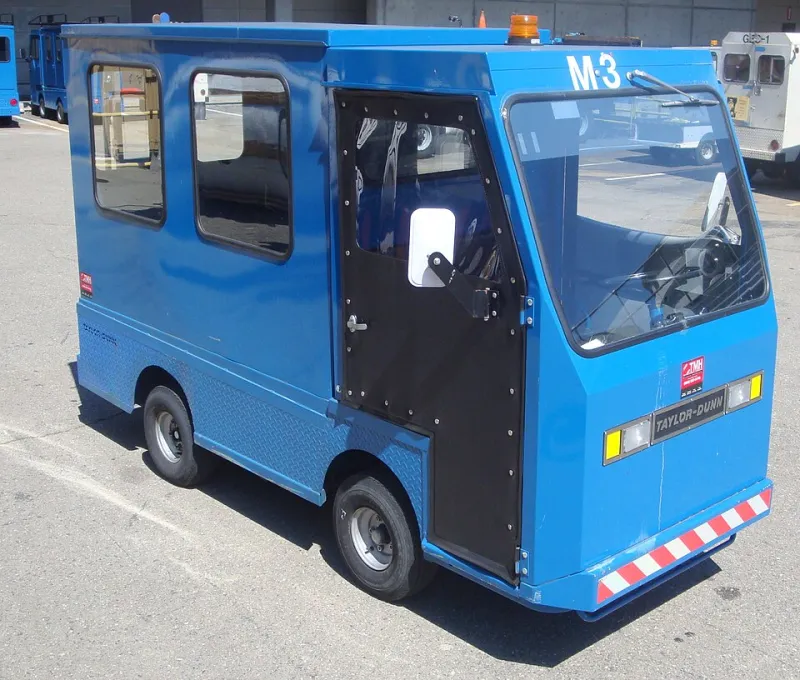
Photo: MobiusDaXter, CC BY-SA 3.0, via Wikimedia Commons
There's a moment at checkout that Brits who live beyond the M25 know all too well. You've picked your item, the site proudly declares 'FREE DELIVERY' in big friendly letters, you enter your postcode... and the price quietly climbs by a tenner. Or the checkout simply refuses your address altogether.
Welcome to the reality of delivering to the furthest corners of the United Kingdom — a place where 'the last mile' is more like the last hundred, and part of it happens at sea.
Where Exactly Does 'Remote' Begin?
Most carriers draw their lines on a map using postcode prefixes, and the list is longer than you'd think. The obvious suspects are there — the IV, KW and PH prefixes covering much of the Scottish Highlands, and every postcode attached to Orkney, Shetland and the Outer Hebrides. But so are parts of Dumfries and Galloway, the Isle of Wight, Anglesey, and pockets of rural Wales.
The logic isn't snobbery; it's arithmetic. A courier in Manchester might deliver 120 parcels a day along one dense route. A driver on Mull might cover 40 addresses in a day, half of them down single-track roads, with a ferry crossing in between. The cost per parcel isn't comparable — it's not even close.
The Actual Journey: Sea, Wind and a Very Patient Van
Follow a parcel to Stornoway or Lerwick and the logistics get genuinely impressive. Parcels typically travel overnight by road to a Scottish hub — often via a sorting depot near Glasgow or Perth — before being loaded onto a ferry sailing that may run once or twice a day, weather permitting.
And that last caveat is the one that matters. Storms cancel sailings. When the crossing to the islands stops, the parcels stop with it, stacking up in a holding compound until the sea calms down. No amount of 'priority handling' can outrun a force nine.
Once across, the final leg often falls to small local hauliers — husband-and-wife teams, sometimes with a single van — who know which 'roads' are actually rutted tracks and which crofts take parcels at the neighbour's shed. That local knowledge is irreplaceable, and it's part of what your surcharge funds.
So What Does the £10 Actually Cover?
Break down a typical remote-area surcharge and you'll find it's less mystery, more spreadsheet:
- Ferry and barge fees — yes, carriers pay per vehicle crossing, and it adds up fast
- Longer routes, fewer drops — fuel and driver hours spread across a fraction of the parcels
- Longer delivery windows — Highland and island addresses are usually quoted at 2–5 days, not next day
- Fewer redelivery options — miss it on Barra and there's no local depot open late for you to swing by
The frustration for shoppers isn't really the fee itself — it's the fine print. Plenty of retailers advertise 'free UK delivery' while quietly excluding everything north of Glasgow in a terms-and-conditions footnote. If you live in one of those postcodes, you learn to read the small print before you read the reviews.
Why Some Retailers Just Say No
For small online sellers, the Highlands-and-islands question is a genuine business dilemma. The maths is unforgiving: one order to Shetland might cost three or four times the standard shipping rate, and if you promised free delivery, that comes straight off your margin.
The common strategies you'll see:
- Pass it on transparently — charge a flat remote surcharge and say so upfront
- Cap the risk — serve the Highlands but exclude the islands
- Opt out entirely — mainland GB only, however awkward that feels
The sellers who handle it best are simply the honest ones. A clear 'remote areas may take 3–5 working days and carry a £4.95 surcharge' message at checkout loses far fewer customers than a surprise fee at the payment screen. In our experience reading delivery complaints, surprise is the real killer — not cost.
What Shoppers in Remote Postcodes Can Do
If you're at the end of the long road, a few habits genuinely help:
- Use a collect point or locker where one exists — they're spreading, slowly, and they sidestep the missed-delivery problem entirely
- Order earlier than feels necessary — build the weather contingency into your timeline, especially October through February
- Check the delivery exclusions before buying, not after — some retailers serve you fine via an alternative carrier
- Consolidate orders where you can — one parcel crossing twice is cheaper than four
The Postcode Lottery, In Reverse
There's an irony in all this: the postcodes with the most spectacular views pay the most to receive a pair of slippers. But the picture is shifting, gradually. Retailers are getting better at showing true landed cost upfront, collect-point networks keep inching further north and west, and some carriers now treat the Highlands as a core route rather than an afterthought.
Until then, if your parcel to Portree or Pembroke takes a few days longer — spare a thought for the van on the ferry deck, riding out the weather to get it to you. That tenner is buying more than fuel. It's buying a delivery that has to beat a tide timetable.